Global warming stories
UK industry leaders gathered at Parliament to strategise on the future of the digital economy, covering digital skills, diversity, and sustainability.
Record fossil fuel output is pushing the planet closer to 1.5°C, with 2023 emissions projected to hit 36.8 billion tonnes.
A UN University report warns that water, food, heat and insurance systems are nearing tipping points that could trigger collapse.
Scientists say the remaining carbon budget for a 1.5°C warming limit could run out within six years at current emissions levels.
Only 7 percent of respondents trust the country's infrastructure to withstand extreme weather, as spending and project certainty falter.
As extreme weather events become Australia's harsh new norm, innovative satellite technology offers hope for better disaster preparedness and response.
Additional funding will boost flood forecasting and climate adaptation work after recent cyclones exposed gaps in New Zealand's resilience.
In civil construction, the concept hinges on system boundaries, with finite resources, waste and carbon shaping whether projects can endure.
Most stranded fossil fuel losses would hit the richest households, while governments could cheaply shield lower-income savers in affluent countries.
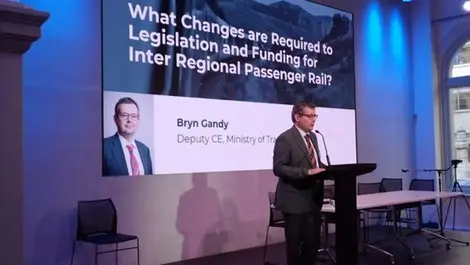
Passenger rail could cut emissions and widen access, but chronic underinvestment and patchy national coordination still hold New Zealand back.
Longer-lasting concrete could cut emissions by reducing replacements, as cement accounts for up to 8% of global CO2 output.
Homeowners may be underinsured as rebuilding costs in New Zealand hit record highs, with some code changes adding 5-20% to bills.
Poor water management could worsen shortages unless New Zealand uses IoT sensors and data to track use and cut waste, Alison Mackie says.
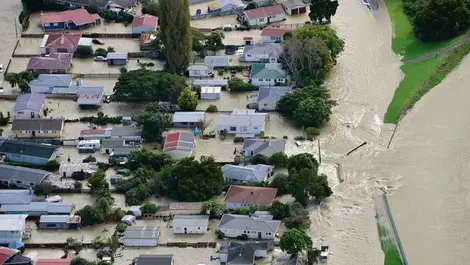
Back-to-back storms are exposing weaknesses in Auckland’s ageing drainage system and testing community recovery after record flooding.
Climate scientists say Auckland’s floods were intensified by atmospheric rivers, while economists warn neglected infrastructure is leaving homes exposed.
A new loss-and-damage fund may help poorer countries cope with climate disasters, but critics say COP27 delivered little on emissions cuts.
Most New Zealanders want flood-risk homes disclosed, as a survey warns opaque climate messaging could damage trust across property markets.
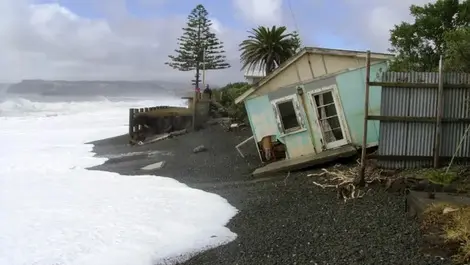
Experts say the government’s adaptation plan may leave councils and vulnerable communities exposed to worsening floods, heat and sea-level rise.
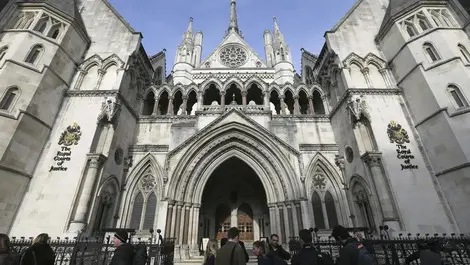
Judges are increasingly forcing ministers to explain climate plans, after Britain’s net zero strategy was found to breach the Climate Change Act 2008.
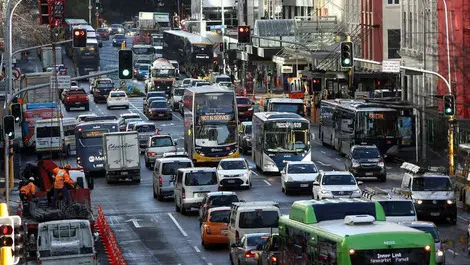
A High Court ruling has deepened fears Auckland Council’s climate plan may be sidelined as transport decisions cut emissions far too slowly.