Global warming stories
Operators of AI-heavy data centres can now cool up to 60kW per unit with Airsys's new system, which cuts compressor strain and space needs.
Growing edge computing demand is pushing EMEA operators to replace comfort cooling with systems built for small rooms and dense IT loads.
London climate tech firm Pinwheel secures 2026 Earthshot Prize nomination as surging demand reshapes corporate climate and nature strategy.
A-Gas Rapid Recovery reclaimed 73,000 lbs of refrigerant R410A at a major data centre, preventing over 70,000 tons of CO2e emissions during peak summer heat.
Carrier unveils QuantumLeap data centre cooling in Singapore, boosting efficiency and sustainability amid Asia's $800bn data centre investment surge by 2030.
Climate change threats could place 27% of global data centres at high or moderate risk by 2050, raising insurance costs and risking digital infrastructure.
Households may trim winter power costs as the system automatically adjusts heating and cooling using room conditions and daily routines.
From fire-ravaged British Columbia to NATO defence, FireSwarm is betting ultra-heavy drone swarms can transform fires and frontline rescues.
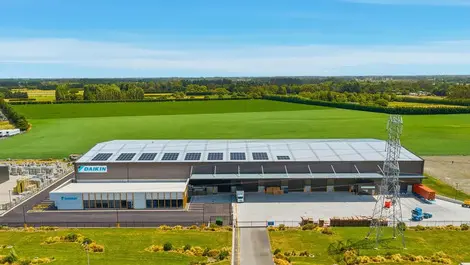
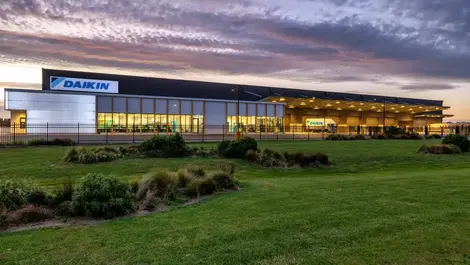
Daikin opens Christchurch hub using reclaimed refrigerant in its own systems, cutting emissions and tightening NZ HVAC supply chains.
A Christchurch logistics hub will keep climate-damaging refrigerant out of landfill, cutting emissions and easing supply pressures for heat pump owners.
Daikin launches DeVap evaporator range in Australia, targeting supermarkets, hospitality and cold chain sites with locally tailored designs.
Water scarcity is pushing researchers to turn treated wastewater into a safe irrigation source, easing pressure on farms and rivers.
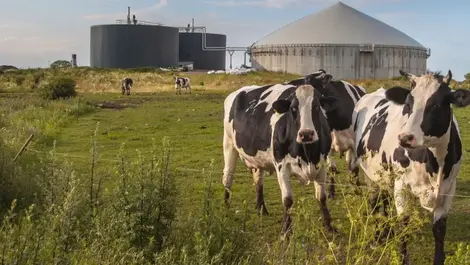
Weak methane controls could blunt the benefits of biogas and RNG, making leak detection crucial for farms, utilities and SME alike.
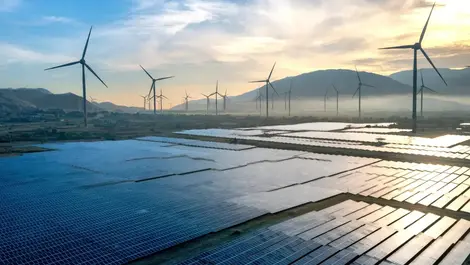
Cleaner power covered all new demand in early 2025, with solar and wind overtaking coal and halting growth in power-sector emissions.
Climate talks ended with only incremental gains, as countries again failed to agree a roadmap away from fossil fuels at COP30.
A study reveals mobile access control reduces environmental impact by over 75% compared to PVC cards, boosting sustainability in security solutions.
Farmers and other sectors face tougher cuts after Wellington scaled back methane targets, drawing criticism over a weaker path to 1.5°C.
Greater reuse of building materials could cut emissions, lower costs and ease supply-chain risks as retrofits and construction expand.
New Zealand businesses are ramping up energy-transition spending, but many still lack net zero plans and public emissions reporting.
Satellite thermal imaging now tracks industrial CO2 emissions at facility level, offering independent and real-time verification of environmental impacts.