Workforce development stories
AI projects in full production race ahead as a global survey exposes a widening trust and speed gap with organisations still experimenting.
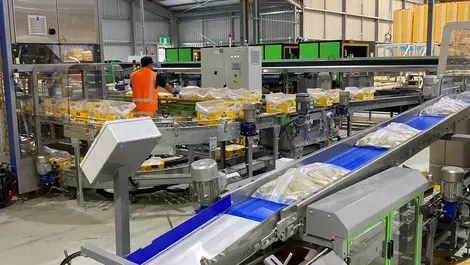
Automation in New Zealand packhouses is opening up graduate careers and strengthening the horticulture sector's resilience against global shocks.
A Christchurch logistics hub will keep climate-damaging refrigerant out of landfill, cutting emissions and easing supply pressures for heat pump owners.
A weak project pipeline is leaving firms underused and engineers heading overseas, sharpening fears of a future skills crunch in New Zealand.
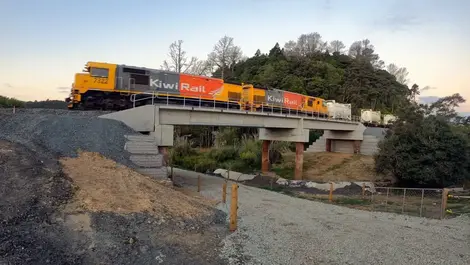
Rail’s economic case is growing, but deferred upgrades and an ageing workforce threaten reliable services and future freight gains.
Widening recruitment to disabled workers could ease New Zealand's skills crunch and deliver a fiscal boost of up to USD $1.45 billion by 2030.
More than 300 apprentices battled through regional heats before 10 finalists met in Queenstown for high-pressure tests of wiring, faults and PLCs.
Agencies must now weigh measurable economic benefits more heavily, putting local jobs, training and supply chains at the heart of tenders.
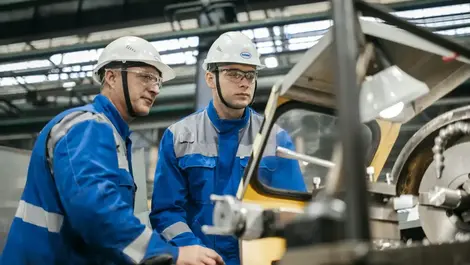
A nationwide rollout aims to plug New Zealand’s 157,000-worker manufacturing, engineering and logistics gap as employers back paid training.
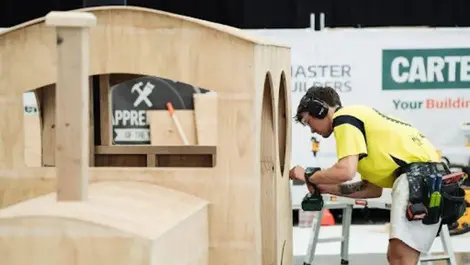
The win spotlights a shortage of skilled tradespeople, as 97 apprentices battled through practical tests and interviews for national honours.
The Australian Computer Society urges a major digital skills boost to combat AUD $63bn cyber threats, calling for new training pathways and incentives by 2030.
Australian startups adopt AI faster than big businesses, with 81% using AI versus 61% of enterprises, signalling a growing innovation gap.
A permanent leader has been confirmed after 14 months in the interim role, bringing stability to the architects' institute and its members.
New Zealand’s hi-tech exporters are set to gain from seven years of funding that aims to help firms commercialise advanced technologies and lift manufacturing.
Falling section prices are making new builds slightly more affordable, even as construction costs keep rising faster than inflation.
A worker's two-finger amputation has triggered a GBP £481,000 safety overhaul at Claymark, including AI hazard detection and retraining.
Work-based apprenticeships will shift away from Te Pūkenga next year, with industry groups saying the move should better match training to jobs.
As businesses ramp up their AI investments, a new report reveals 27% of HR professionals now see workforce upskilling as their top challenge for 2025.
A skilled labour crunch, weak investment and slow policy change are set to keep Aotearoa New Zealand’s construction sector under strain in 2025.
Entries could earn New Zealand apprentices a shot at USD $10,000 in prizes and a place in the national final in Hamilton.