Emergency services stories
Record wildfire activity this year has pushed insurers to reassess urban property risk, with summer fires now edging closer to homes and infrastructure.
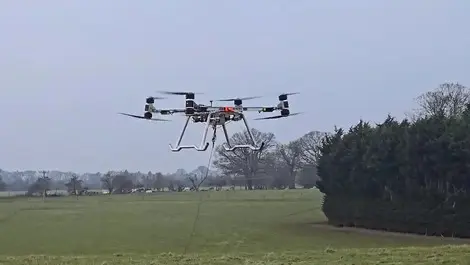
A 45% lighter heavy-lift drone could carry more payload and fly further, helping firefighters, medics and armed forces reach remote sites.
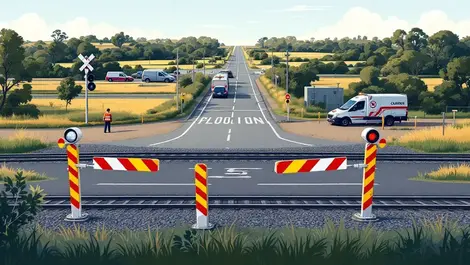
More than 150 organisations are backing a national push to curb the rise in fatal and near-miss incidents at Australia's railway crossings.
The new Melbourne site will help Freespace double drone production and expand its workforce as defence and industrial orders grow.
ANCAP's new safety criteria are likely to make emergency-call systems a must-have, after one million vehicles were linked to Intelematics' platform.
Amazon Leo has filed plans to deploy 5,105 satellites that would provide voice, messaging, data and emergency services directly to mobile devices.
Critical communications should hold during floods and power cuts, as Cellnex and the Netherlands Red Cross build a nationwide backup network.
Connected cars are becoming core infrastructure for updates and safety, and Transatel's 5GAA entry puts it into standards talks shaping that shift.
The software is now helping emergency services, hospitals and authorities share real-time data as New York and New Jersey brace for the World Cup final.
Aid workers are cutting report times by up to 90% as a new AI system speeds crisis analysis and frees staff for field response.
Businesses and emergency services faced outages nationwide as a Telstra mobile failure exposed the risks of Australia's concentrated carrier market.
Channel partners across Asia-Pacific will gain wider access to private 5G as Ericsson broadens distribution through Westcon-Comstor.
Emergency call handlers are under strain as the ambulance service braces for more pressure after the busiest day in its history.
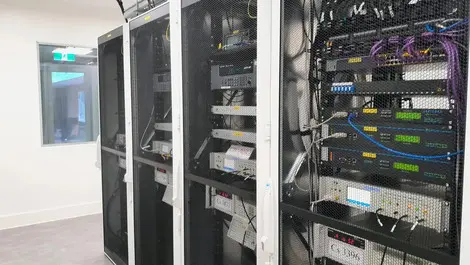
The fibre-backed alternative could reduce reliance on GPS for banks, utilities and emergency services, improving resilience against outages and interference.
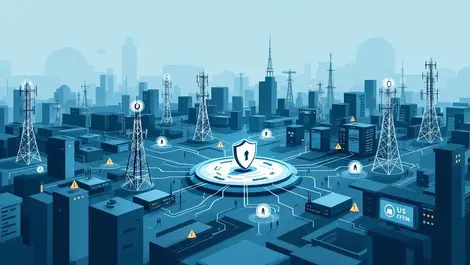
Basic security gaps are leaving nearly two-thirds of analysed US telecoms providers in an elevated cyber risk band, the report says.
Critical infrastructure operators could gain a single managed route for sensitive data as the partners remove reliance on public internet paths.
Remote Australian operators can now keep Starlink traffic off the public internet, easing security concerns for critical systems and SCADA links.
BAI is bolstering its technology and transformation push as it expands into private 5G, public safety and transport networks.
Penalties in the low-to-medium eight figures may barely dent Telstra, as experts say tougher laws are needed to stop repeat outages.
The move comes as New Zealand's emergency services network enters a crucial delivery phase ahead of rollout across 2026 and 2027.