Compliance stories
Rising costs and labour shortages are pushing utilities to use security systems for faster decisions, not just site protection, a survey shows.
It lets property businesses cut manual admin and tailor workflows around core tenancies, compliance and rent collection in one system.
Banks risk missing bigger gains if they use AI only to speed up existing work instead of redesigning engineering around it.
Regulators say claims of instant approval can mislead borrowers, because the speed often reflects a pricier credit model instead.
Borrowers can now meet AI at the start of loan applications, but the tools still stop short of approving or declining credit.
Poor data and fragmented systems are still slowing AI adoption in global mobility, as Vialto's new platform aims to help firms manage cross-border work.
The tie-up aims to let firms use protected records in AI without losing access controls, lineage or compliance oversight as deployment expands.
Clients facing cyber threats and AI change are the focus as the consultancy adds managed services and larger delivery work.
The move gives security teams visibility into AI admin activity that could expose data, trigger compliance issues or widen account takeover risk.
A CyberFOX survey suggests smaller IT teams are leaving critical controls open for months as workloads rise faster than headcount.
The Pasco County site gives the cybersecurity and forensic analysis provider its first Florida base as it targets defence and law enforcement clients.
Customers can now buy Thunders' testing software through Microsoft Marketplace, with eligible purchases counting towards Azure commitments.
Most companies are not ready to prove control over AI and data, with only 26% of firms reaching the highest evidence tier in IBM's index.
Enterprises are finding thousands of unmanaged AI-linked identities, raising the risk of agents accessing systems and data without proper oversight.
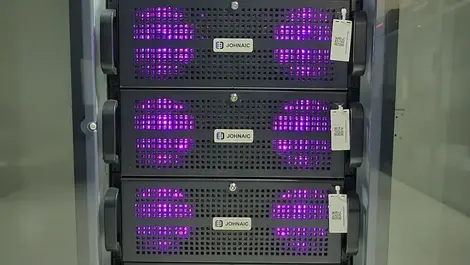
The Bengaluru startup will add factory capacity for up to 100 AI servers a month as banks and public agencies seek private, compliant AI systems.
The Sydney fintech says its tokenisation platform has raised almost AUD $569 million and cut investor onboarding to near real-time.
The result gives public sector buyers evidence to support risk assessments and procurement decisions as Harvey seeks more Australian government work.
The average payout climbed to AUD $794,000 as a survey found 78 per cent of affected Australian businesses paid ransomware demands.
The new group aims to close intelligence gaps as scams spread across non-bank payments and digital asset transfers beyond banking safeguards.
Nearly six in 10 legal leaders say boards lack the controls to keep pace with AI, as 41% report no basic governance framework yet.