

One in four lone workers distrust safety tech, survey finds
Tue, 24th Nov 2026 (Today)
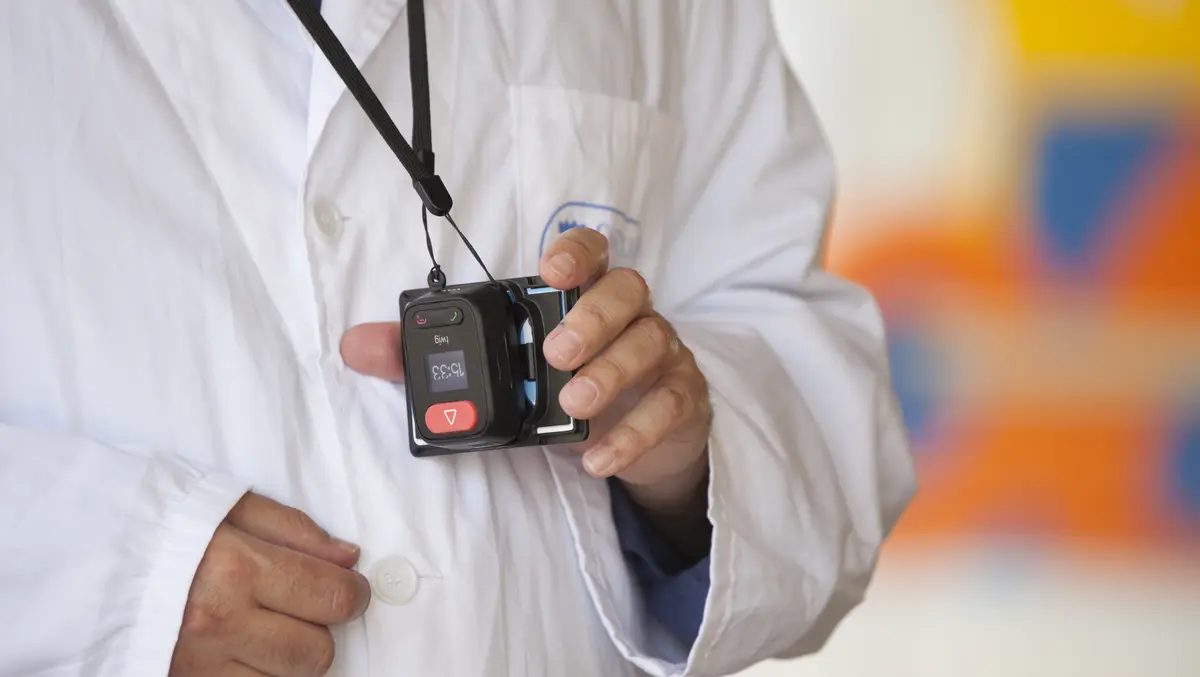
Research published by Securitas UK suggests one in four lone workers do not trust the safety technology provided by their employer. The findings are based on a survey of 500 lone workers in the UK.
The study found that 25% of respondents were not confident their safety tools would protect them in an emergency. A further 20% said they were not comfortable using the equipment they had been given, while 33% said they never checked in during their shifts.
The figures suggest a gap between the provision of lone-worker devices and staff willingness or ability to use them. They also indicate that some employers may have limited visibility over the welfare and location of staff working alone.
Lone workers operate across a wide range of roles, including security, facilities, maintenance and mobile services, where employees may spend long periods away from colleagues or supervisors. In those settings, organisations often rely on devices and monitoring systems to let staff raise an alarm and help managers track wellbeing and response needs.
Securitas said the issue was not just whether employers had bought the right tools. Training, testing, response procedures and regular communication also influence whether staff use the equipment in practice.
Gary Agnew, Head of Solutions at Securitas UK, said: "Technology has transformed the way organisations can support lone workers, but providing technology isn't the same as supporting safety. Employers can invest in the best tools available, but if people don't trust them or aren't confident using them under pressure, their value is significantly reduced."
The survey also highlighted a potential operational issue in the number of workers who said they did not check in during shifts. Without regular check-ins, employers may find it harder to know when a worker has moved into a higher-risk situation or when a problem has arisen that requires a response.
Training gap
Employers in sectors that depend on lone working have increasingly adopted digital safety measures, including personal alarms, location tracking and linked monitoring services. These systems are designed to give workers a discreet way to report threats, unsafe situations or medical incidents, while enabling a central team to escalate a response.
Yet the research suggests equipment alone may not reassure workers. If staff are unsure how to activate a device, what happens after an alert, or whether help will arrive, use may fall short even where systems are already in place.
That could leave organisations exposed to weaknesses in their safety arrangements, particularly if incident records and welfare checks do not reflect how staff behave during working hours. It may also limit the value of data gathered through monitoring, which is often used to identify recurring risks and refine procedures.
Agnew said employers should test whether safety arrangements work in day-to-day conditions rather than assume installation alone resolves the issue.
He said: "If someone hesitates to use their safety equipment because they're unsure what will happen next, that's a problem. Employers need to know that their arrangements work in practice, not just on paper. It's worth asking whether people are comfortable with the equipment they've been given and whether they would actually use it in an emergency. Those are questions that can easily get overlooked once the technology is in place."